RAISE Health Symposium


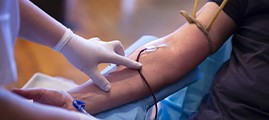
Give Someone a Future
Over 100,000 people are waiting for lifesaving organ transplants. You can save a life through living donation.

For Those With an Alcohol Problem, Are Non-Alcoholic Beverages a Wise Choice?
Mocktails and non-alcoholic beer and wine could provide a healthier alternative to drinking, but for some, these alcohol-adjacent drinks might be too potent a reminder of the real thing.

Model Estimates Who Benefits Most From Frequent COVID-19 Boosters
A study led by researchers at Stanford Medicine finds the benefit of frequent booster vaccination for COVID-19 is highest for those over 65 years and the immunocompromised.

Free Community Event: Health Matters
Join us on May 18 for Q&As with Stanford Medicine experts, health and wellness resources, cooking demos, and more.
MAKE AN APPOINTMENT
Schedule a Care Video Visit
Same-day appointments available.
Patients experiencing symptoms of COVID-19 »
Express Care
Appointments for minor illnesses or injuries that require timely treatment.
Available every day
9 a.m.–9 p.m.
We are available to assist you:
Monday–Friday, 7 a.m.–7 p.m.
Saturday & Sunday, 8:30 a.m.–5 p.m.
Returning patient? Sign in to your MyHealth account.
Primary Care
Preventive care, screenings, treatment, and education when you need it.
Available Monday to Friday
8 a.m.–5 p.m.
We are available to assist you:
Monday–Friday, 7 a.m.–7 p.m.
Saturday & Sunday, 8:30 a.m.–5 p.m.
Returning patient? Sign in to your MyHealth account.
Specialty Care
The best way to make an appointment is to contact your doctor or clinic directly.
If you have any questions, please contact Guest Services 650-498-3333.
Returning patient? Sign in to your MyHealth account.

IN THE NEWS
Stanford Medicine Study Identifies Distinct Brain Organization Patterns in Women and Men
Researchers have developed a powerful new artificial intelligence model that can distinguish between male and female brains.
IN THE NEWS
Diabetes and Liver Cancer—Stanford Medicine Study Suggests New Screening Guidelines
Researchers identify an easily measured biophysical property that can identify Type 2 diabetics at increased risk for liver cancer who don’t meet current screening guidelines.
BECOMING A PATIENT
Care Designed With
Patients, for Patients
Becoming a patient at Stanford Health Care is easy, no matter where you live or work.
GET A SECOND OPINION
Stanford Medicine Second
Opinion Program
Get a second opinion from a Stanford Medicine doctor without leaving home.
Sign Up for Our Health and Wellness Newsletter
The Stanford Medicine Health Connection multimedia newsletter shares our advice, news, breakthroughs, and events. Connect with us for your health.

STANFORD HEALTH CARE – NOW