Residency Program Objectives

Program Overview

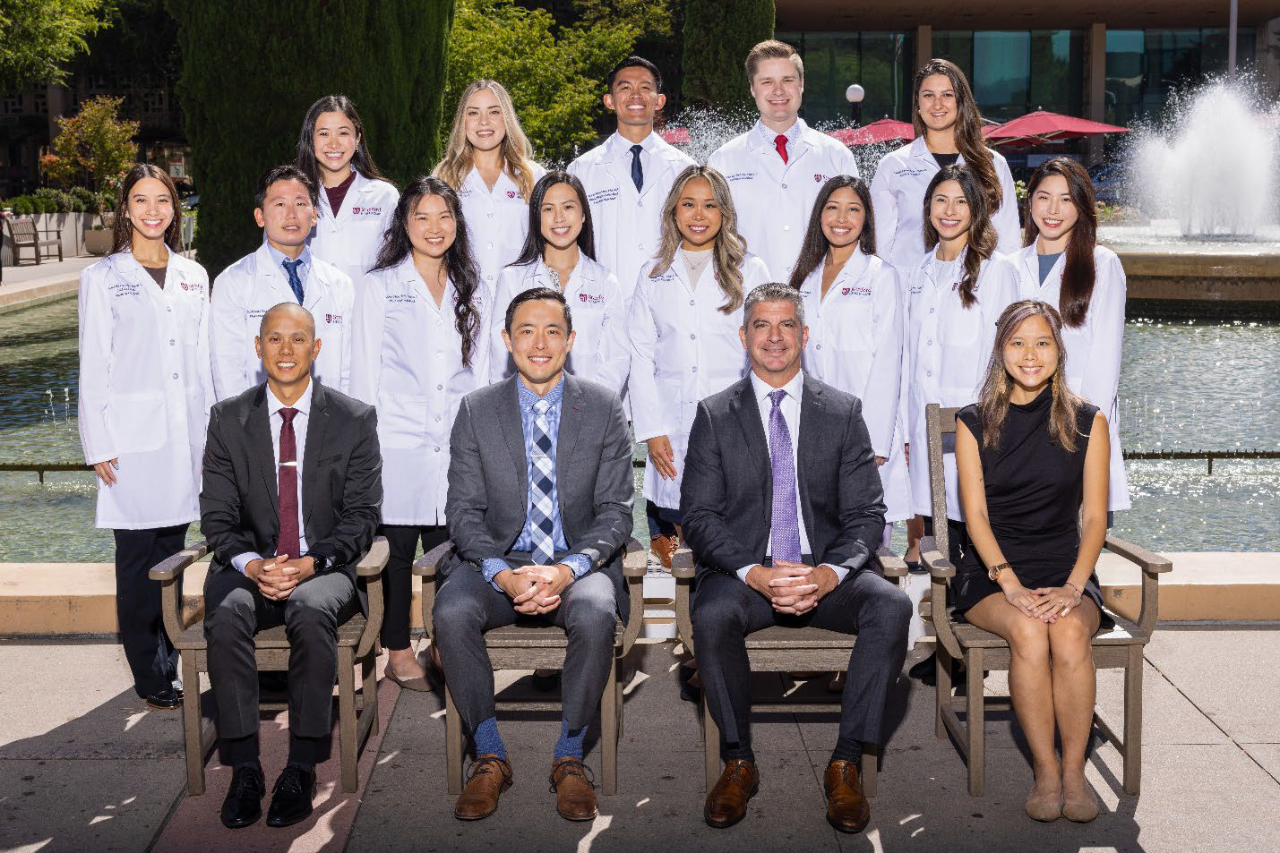
The Pharmacy Practice Residency at Stanford Hospital and Clinics is a one-year post-graduate training program that offers an environment to gain professional competence, expand clinical knowledge, and develop a philosophy of pharmacy practice. The purpose of the residency program is:
  1. To train competent and innovative practitioners capable of providing comprehensive pharmaceutical care services across the continuum (acute care and ambulatory care).
  2. To train practitioners to provide accurate, timely, and critically evaluated drug information based on the needs of the requester.
  3. To train practitioners to develop and implement drug policies that ensure rational, safe, and cost-effective drug therapy.
  4. To educate healthcare professionals, students, patients, and the community to ensure appropriate medication use and safety.

top

Program Structure

Our philosophy of residency training is to offer practical experiences in diverse, multidisciplinary environments that span the continuum of pharmaceutical care.  Our approach in the provision of pharmaceutical care is to provide comprehensive, patient-oriented services.  The residency is accredited by the American Society of Health-System Pharmacists (ASHP) and follows the ASHP Residency Learning System (RLS).

The practice model integrates distribution and clinical activities at the patient care level and is supported by decentralized drug distribution. 

Clinical staff pharmacists cover all acute patient care areas, including Bone Marrow Transplant, Cardiology, Critical Care, General Surgery, Internal Medicine, Psychiatry, and Solid Organ Transplant.  In addition, ambulatory care clinical pharmacists are involved in the Oral Anticoagulation, Transplant Diabetes, and Oncology clinics.  Residents contribute to many clinical activities, including collection of data for Drug Utilization Evaluations (DUEs), in-services to the staff during their clinical rotations, and medication education to inpatients.  The formal aspects of the Pharmacy and Therapeutics Committee are coordinated by the Director of Pharmacy and the Manager of Clinical Effectiveness, and residents participate in the meetings during the Practice Management rotation.  In addition to clinical services, the residents serve as preceptors throughout the year to pharmacy students completing their clinical clerkships.

top

Program Objectives

Upon completion of the residency program, the resident will:

  1. Provide optimal clinical and operational pharmaceutical care to patients in multiple practice settings
  2. Function as an effective member of healthcare teams
  3. Educate healthcare professionals, students, patients, and the community
  4. Ensure appropriate medication use and safety
  5. Enhance written and verbal communication skills
  6. Demonstrate time management and problem solving skills
  7. Become a leader within the profession

top

Stipends & Benefits

Residents receive a competitive annual stipend of $54,000 with full benefits including an excellent healthcare benefits package and 10 days of paid time off (PTO).

In addition, residents receive educational leave and a stipend to attend and participate in clinical presentations at various pharmacy conferences, including the California Health-Systems Pharmacists (CSHP) Seminar Meeting in the Fall, the ASHP Midyear Clinical Meeting in December and the Western States Residency/Preceptor meeting in May, in Asilomar, California.

top

Required Rotations

  1. Internal Medicine (4 weeks)
  2. Critical Care (4 weeks), choice of either
    1. CCU (Cardiology)
    2. MICU (Medical ICU)
  3. Ambulatory Care (8 weeks)
    1. Oral Anticoagulation Clinic
    2. Transplant Diabetes Clinic
    3. Internal Medicine Clinic
  4. Practice Management (8 weeks)
    1. Administration
    2. Chief Resident
    3. Student Coordination/Teaching
    4. Drug Information

Electives (4 weeks each)

top

Stanford Medicine Resources:

Footer Links: