
Neuroscience Leaders
in the Science of Caring



Where Innovation and Care Come Together
At Stanford Health Care Neuroscience, our Circle of Care approach ensures an unwavering focus on you and your quality of life. You have a team of renowned neurologists, neurosurgeons, and interventional neuroradiologists working together to meet your unique needs. As leaders in neurological care and research, we translate innovations into advanced treatments for our patients and people worldwide. We offer the latest diagnostics, treatments, and clinical trials. And our convenient locations and wide range of support services—designed to help you and your caregiver navigate your condition—make it easy for you to get the care you deserve.

Your Circle of Care
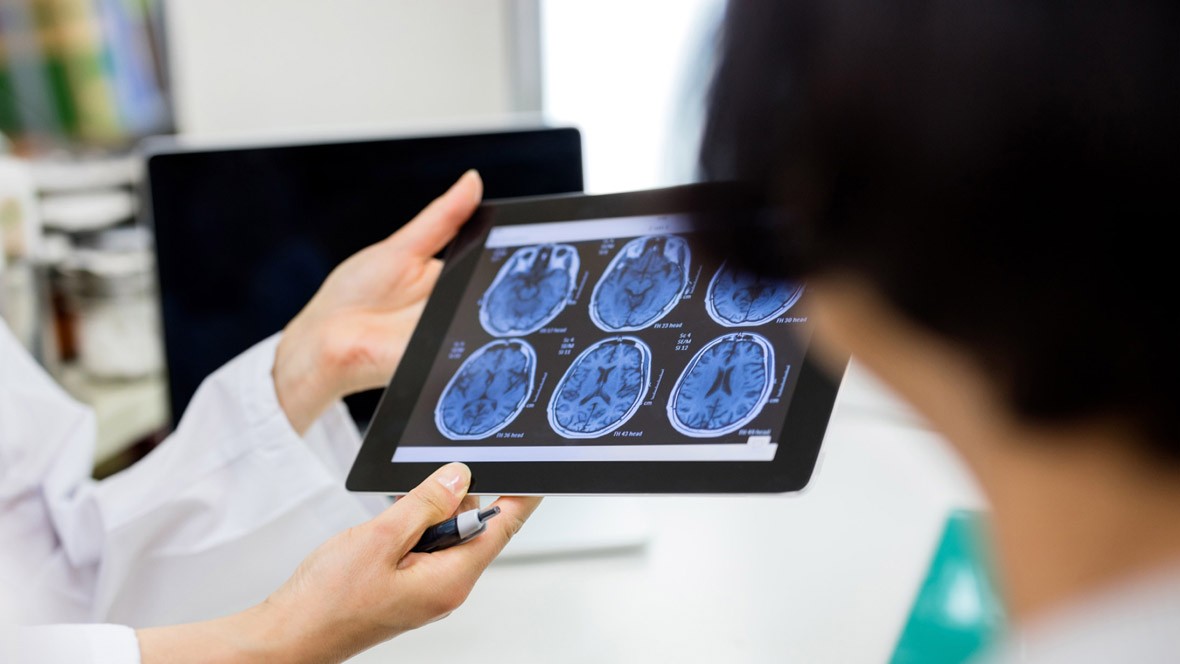
A diagnosis of a neurological condition—and the changes it may bring—can be unsettling. We offer you and your caregivers the personalized support you need at every step. Your team listens to you and develops a plan for your situation. And you’ll work with the same team from diagnosis throughout treatment, so we can get to know you and your needs.
Innovation Through Clinical Research
Stanford Health Care Neuroscience actively participates in groundbreaking research and clinical trials to evaluate new and better ways to diagnose, treat, and manage neurological disorders. Participating in a trial may give you access to experimental therapies that are not available otherwise. We also partner with the Wu Tsai Neurosciences Institute to better understand the brain, develop new treatments for brain disorders, and promote brain health.
PARTNERING FOR EXCELLENCE

Stanford Health Care Neuroscience proudly collaborates with the Wu Tsai Neurosciences Institute to unlock the mysteries of the brain and human behavior.
Access to Excellence
We make access to care as simple as possible. We anticipate what you need and provide support when you need it. Our network of locations puts our services within your reach. User-friendly digital health tools help you stay connected with your care team. We accept most insurance plans and offer discounted transportation, short-stay options, and international travel and translation services. We help make sense of the details, so you can make decisions that are right for you.
"The whole team was great at making sure the right things happened for me to have the amazingly good recovery I’ve had so far."
—Brett, patient
Find Services by Program
News and Resources
Stanford Medicine Neuroscience: Leaders in the Science of Caring
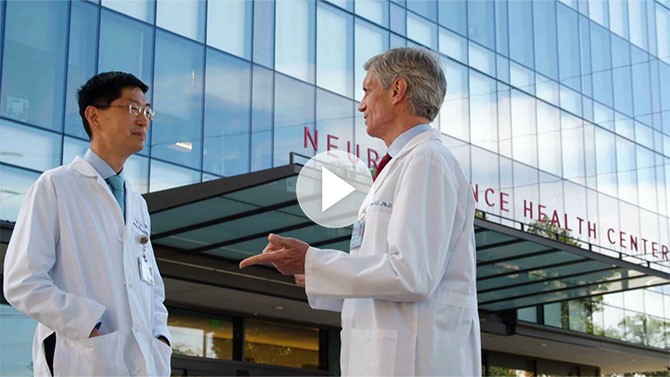
What lies ahead for the future of Neuroscience and why is Stanford Medicine built to lead the transformation in the relevant fields of study? Hear from Frank Longo, MD, PhD, Chair of Neurology and Michael Lim, MD, Chair of Neurosurgery at Stanford Medicine.
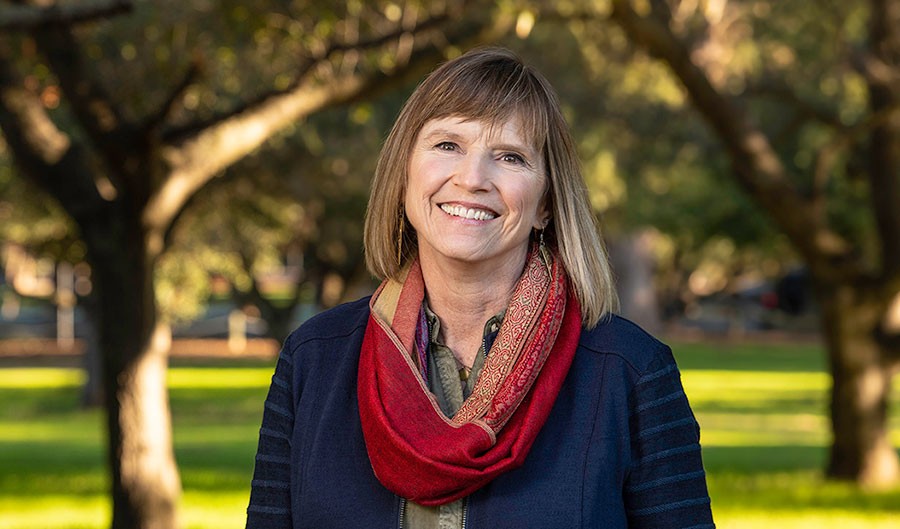
Terri’s Story: Brain Implants for Essential Tremor Calm Artist's Hands
A lifetime of creating and teaching art stopped when essential tremors caused Terri Benedix to lose control of her hands. Neuroscience specialists at Stanford Health Care inserted electrodes in precise locations on her brain to reduce tremors and restore function. Called deep-brain stimulation, the advanced treatment helped Terri get her life back.
Cindi's Story: When It Matters Most
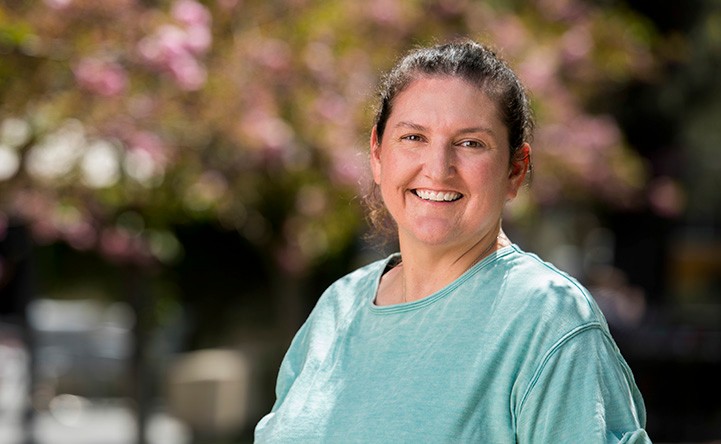
Cindi experienced a stroke while asleep, which meant the “clock” to determine whether she could receive clot-busting medication or undergo surgery had already started ticking. Emergency room doctors explained it was too late for these treatments. However, they told Cindi’s husband about a clinical trial at Stanford Health Care. After surgery and intensive rehabilitation, Cindi is returning to everyday life.

Stanford Neuroscience Health Center: Global Destination for Advanced Care
Designed by patients for patients, the Stanford Neuroscience Health Center is a one-stop outpatient destination for people with neurological disorders. The most advanced diagnostic testing, treatments, technologies, and support services are all available in a single, easy-to-navigate building.


New Patients
Current Patients
Our Locations
With MyHealth, managing your care has never been easier for both your regular checkups and hospital stay. Make appointments and message your doctors. View test results, pay medical bills, renew prescriptions, and more.
Have a question? Visit our MyHealth FAQ to get answers fast.
Create New AccountReturning Patient
To make an appointment with one of our neuroscience specialists, call 650-723-6469.