
World-Class Cardiovascular Care,
Dedicated to You
My Heart Counts 5K on April 21. Register Today »


Advanced Heart and Vascular Care That Puts You First
As nationally recognized leaders in cardiovascular care, our team specializes in preventing, diagnosing, and treating all types of heart disease and vascular disorders. For decades, Stanford Health Care has been at the forefront of igniting new research and the latest advances in heart and vascular medicine. We deliver effective therapies, life-changing treatments, and comprehensive support to thousands of people from all over the world, every year.
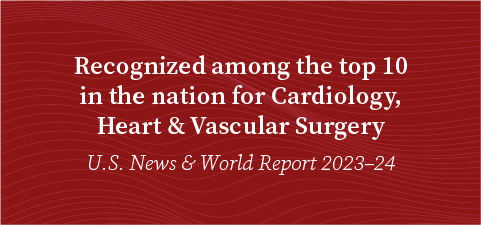
At Stanford Health Care, you can expect to receive the highest quality, personalized care from an experienced team of heart and vascular experts. Stanford Hospital is ranked #1 in Northern California for Cardiology and Heart Surgery. Offering video visits and in-person appointments at many locations across the Bay Area and beyond, we make it convenient for you to access our services.

Find Services by Program
At Stanford Health Care, you will benefit from a dedicated team of experts who offer highly specialized care. We work together to deliver a precise diagnosis, targeted treatments, and ongoing care. Click below to navigate to a specific program, or search for a clinic by location.
Cardiac Surgery
Vascular and Endovascular
Our Locations
Our Doctors
Current Patients
Innovative Treatments
At Stanford Health Care, we advance research and pioneer groundbreaking therapies to improve cardiovascular health. As leaders in using innovative technology and sophisticated techniques, we offer treatments that are not available elsewhere. These therapies and treatments help prevent the risk of serious health problems while helping our patients live longer, healthier lives. Our team works together to bring the latest scientific breakthroughs directly to you.

Comprehensive Care from Compassionate Experts
When you come to us, you have a network of renowned cardiovascular specialists dedicated to you. Our team brings together experts from a variety of medical fields to deliver effective treatments and customized support, including lifelong and follow-up care. We are a diverse team, and we live in and serve a diverse community. Our varied backgrounds, perspectives, and experiences allow us to understand and meet the unique needs of each individual.
Integrated, Accessible Care
Our goal is to make world-class care accessible and convenient. Whether you live around the corner or across the globe, you’ll receive the highest quality care from a team of experts devoted to your well-being. We offer a range of advanced digital tools to make it easy for you to manage your health from anywhere. You can access care through telehealth options such as video visits, remote patient monitoring, and our online second opinion program, or in-person appointments at one of many locations. Stanford Health Care participates with most insurance plans, and we offer financial assistance to help you afford treatments and services.

News and Resources

Simple Food Tips For a Healthier Heart
Did you know that even the smallest changes in your diet today can significantly lower your risk for cardiovascular disease in the long run? Explore heart-healthy recipes, easy ways to substitute ingredients, and more.

Heart Care Empowers Uduak to Take Her Life Back
Born with a structural heart defect, Uduak underwent multiple surgeries early in life. When she was in her 50s, she turned to Stanford Health Care. The team at the Adult Congenital Heart Program provided care that allowed Uduak to return to the activities she enjoys, such as gardening, painting, and running.

As President of the AHA, Stanford Medicine’s Joseph Wu, MD, PhD, Pioneers Innovations in Cardiovascular Medicine
Through his revolutionary work, Dr. Wu is developing groundbreaking techniques to predict, prevent, and treat cardiovascular disease. His research lays the groundwork for future innovations in precision medicine and personalized care.


Innovation Through Clinical Research
The Stanford Cardiovascular Institute (CVI) ignites new research and promotes collaboration between Stanford Medicine students, faculty, and scientists. Leading cardiovascular experts, engineers, educators, and physicians come together to investigate groundbreaking treatments using revolutionary technology. At the CVI, we focus on what’s next in cardiovascular science while training the next generation of leaders in heart and vascular care.

For Referring Providers
We encourage our physician and provider partners to refer patients to us with confidence. Our team handles your request immediately and communicates with you throughout the referral process.
To contact a specific clinic, please see our Clinics & Locations directory.
With MyHealth, managing your care has never been easier for both your regular checkups and hospital stay. Make appointments and message your doctors. View test results, pay medical bills, renew prescriptions, and more.
Have a question? Visit our MyHealth FAQ to get answers fast.
Create New Account