
Women's Heart Health
Part of Cardiovascular Health

Leaders in Women’s Heart Health
We provide exceptional heart care that starts with the understanding that women’s bodies have different needs. We treat the whole woman, using evidenced-based approaches to prevent and treat heart disease.
300 Pasteur Drive
2nd Floor, Room A260
Stanford,
CA
94305
Phone: 650-725-5909
What We Offer You for Women’s Heart Health
- Specialized expertise in treating women with hypertension, coronary artery disease, arrhythmia and other forms of common and complex heart disease. Go to Conditions Treated
- Comprehensive treatment options including medication, lifestyle support, minimally invasive procedures and cognitive behavioral counseling. Go to Treatments
- Team-based approach that brings together cardiologists, psychologists, obstetricians and other specialists to create a care plan tailored to your needs. Go to Your Care Team
- Clinical trials that offer access to the latest women-specific care protocols, technologies and treatments, many of which are not available elsewhere. Go to Clinical Trials
- Comprehensive support services, including mindfulness classes to help you learn healthy habits to reduce symptoms or prevent heart disease altogether. Go to Support Services
- Ease of access, with timely appointments and specialists available by phone after hours. Go to Accessing Care

With over a decade of experience caring for women with heart conditions, we offer the in-depth expertise to recognize the unique concerns women face.
Our doctors combine this expertise with the latest technologies to pinpoint the cause of your symptoms and arrive at an accurate diagnosis. We are one of the few heart centers in the country that uses special testing techniques to find abnormalities, like microvascular disease or endothelial dysfunction, that are more prevalent in women.
We are also home to the Cardiac Behavioral Medicine Program, which treats the whole woman and looks at all possible psychological and behavioral factors that can contribute to heart disease and chest pain.
No matter your condition, our team of experts collaborate on your behalf to create a comprehensive care plan for your needs.
Did you know?
- Women often experience symptoms of heart disease differently than men.
- Cardiovascular disease is more prevalent in women than men.
- Women have more heart attacks than men that go unrecognized.
Risk Factors
Our providers help you manage chronic conditions that could eventually lead to heart attack or cardiac problems with lifestyle modifications, medication, or other therapies. The risk factors we treat include:
- Cholesterol/dyslipidemia
- Hypertension
- Prediabetes and metabolic syndrome
- Diabetes
- Excessive weight
- Lifestyle factors that influence heart health
- Stress
- Lack of sleep
- Insufficient exercise
- Stress eating
Cardiovascular Conditions
Cardiovascular disease, which includes heart failure, hypertension, and stroke, is more prevalent in women than in men. We tailor our treatment options to the specific needs of women. We are experts in a wide range of cardiovascular conditions including:
- Obstructive coronary artery disease
- Non-obstructive coronary artery disease
- Endothelial dysfunction
- Microvascular dysfunction
- Myocardial bridging
- Vasospasm
Acute events
- Heart attacks
- Heart attack with normal coronary arteries
- Takotsubo cardiomyopathy
- Myocardial infarction in otherwise normal coronary arteries (MINOCA)
- Spontaneous cardiac artery dissection (SCAD)
Additional conditions
- Heart failure, such as diastolic dysfunction
- Arrhythmia
- Supraventricular tachycardia
- Peripheral vascular disease
- Valvular heart disease
- Cardiac complications associated with:
- Autoimmune disorder
- Cancer treatment
Pregnancy Care
The doctors at our Women’s Heart Health clinic work in tandem with the Gynecology Clinic to address the cardiovascular concerns of women during pregnancy. Our providers meet regularly with obstetricians and anesthesiologists to discuss patients’ care plans and monitor the progress of pregnant women with heart issues.
Before pregnancy
Our cardiologists evaluate patients who have an existing heart condition or risk factors that may affect their health during pregnancy, including high blood pressure, and structural heart or valvular heart disease.
During pregnancy
Our team works with the obstetricians to treat and monitor heart conditions that may arise during pregnancy and can increase a woman’s chance of developing coronary artery disease or hypertensive heart disease in the future, including:
- Gestational diabetes
- Gestational hypertension (high blood pressure)
- Pre-eclampsia
- Cardiomyopathy
After pregnancy
Our doctors will continue to work with you after pregnancy to manage any risk factors that may have developed.
Our doctors are at the forefront of cardiac care for women, conducting leading research into the prevention, management and treatment of heart disease. We treat the full spectrum of causes that lead to a woman’s heart condition.
INNOVATION HIGHLIGHTS
- We are the only center in the U.S. that uses an ultrasound of the heart artery to identify the presence of myocardial bridging, which can cause cardiac stress symptoms and is not detected through standard angiography.



HEART DISEASE IS PREVENTABLE.
COMPREHENSIVE CARE FOR PATIENTS
Advanced Diagnostics
Our highly experienced team works together to determine the most effective treatment for you. Our doctors are experts at imaging and catheter-based techniques specifically geared to the needs of women. We listen closely to your needs to provide a comprehensive care plan that empowers you as an active participant.
Risk assessment
We work with you to understand your risk for developing a heart condition by analyzing lab work and other factors including blood pressure, family history, and lifestyle choices. Then, we create an individualized treatment plan and provide any support you need to make behavior modifications.
Causes of chest pain
We have expertise in diagnosing chest pain of ambiguous origin, including using advanced techniques to find hard-to-detect abnormalities that are more common in women. And our Cardiac Behavioral Medicine Program can help patients cope psychologically with chest pain, as well as other issues that can lead to chest pain, such as stress, lack of sleep, depression, and overeating.
Hard-to-detect coronary vascular abnormalities
We use the most advanced technology to diagnose cardiac irregularities, like endothelial dysfunction, microvascular disease, and myocardial bridging that can be hard to see on an angiogram or other typical diagnostic tests.
Personalized Treatment
Your care team will assess your unique needs and lifestyle to come up with the best treatment plan for you. We may use a single approach or a combination to provide you with the most comprehensive and personalized care possible.
Risk management/prevention care
Our doctors will help you understand your risk for developing a heart condition and help you take steps to actively prevent heart disease. We focus on all aspects of behavior change, including:
- Stress reduction techniques
- Weight management
- Mindfulness classes (to help with anxiety and depression)
- Exercise plans
- Smoking cessation programs
- Biofeedback (a type of therapy in which patients may learn to control normally involuntary bodily actions, such as heart rate)
Medication
Certain drugs can help manage many heart conditions effectively. Our doctors may prescribe medication to help with various aspects of heart disease management or prevention, including drugs that:
- Lower blood pressure or cholesterol
- Treat chest pain
- Widen arteries
- Reduce water and salt buildup caused by heart disease
- Improve circulation
- Strengthen the heart muscle
Cognitive behavioral counseling
The specialists in our Cardiac Behavioral Medicine Program help women cope with the psychological issues that can accompany living with chronic chest pain. Our psychologists help patients to:
- Cope with a limited ability to handle daily activities due to chest pain
- Manage emotional stress
- Overcome PTSD or depression that stems from a heart attack or other acute event
Percutaneous coronary intervention (PCI)
Our doctors are leaders in angioplasty, stenting and other minimally invasive procedures that restore blood flow to the heart, relieve chest pain and decrease the risk of heart attack in women with coronary artery disease. Our doctors use the latest tools and techniques to reduce your recovery time. Depending on the severity of your condition, you could potentially go home the same day as your procedure
Collaboration with other Stanford clinics
We partner with top specialists in multiple fields from other Stanford clinics to determine the most effective treatment plan for you. Some of the clinics we collaborate closely with include:
Clinical Trials
Our specialists deepen the understanding of women and cardiovascular disease through research and clinical trials. These studies evaluate new medical techniques, devices, and drugs to treat or prevent heart conditions in women. As a Stanford patient, you will have access to these exciting new approaches.
Research done at Stanford helps to define national protocols on how to effectively treat heart disease and provide better outcomes for women.
Condition Spotlight








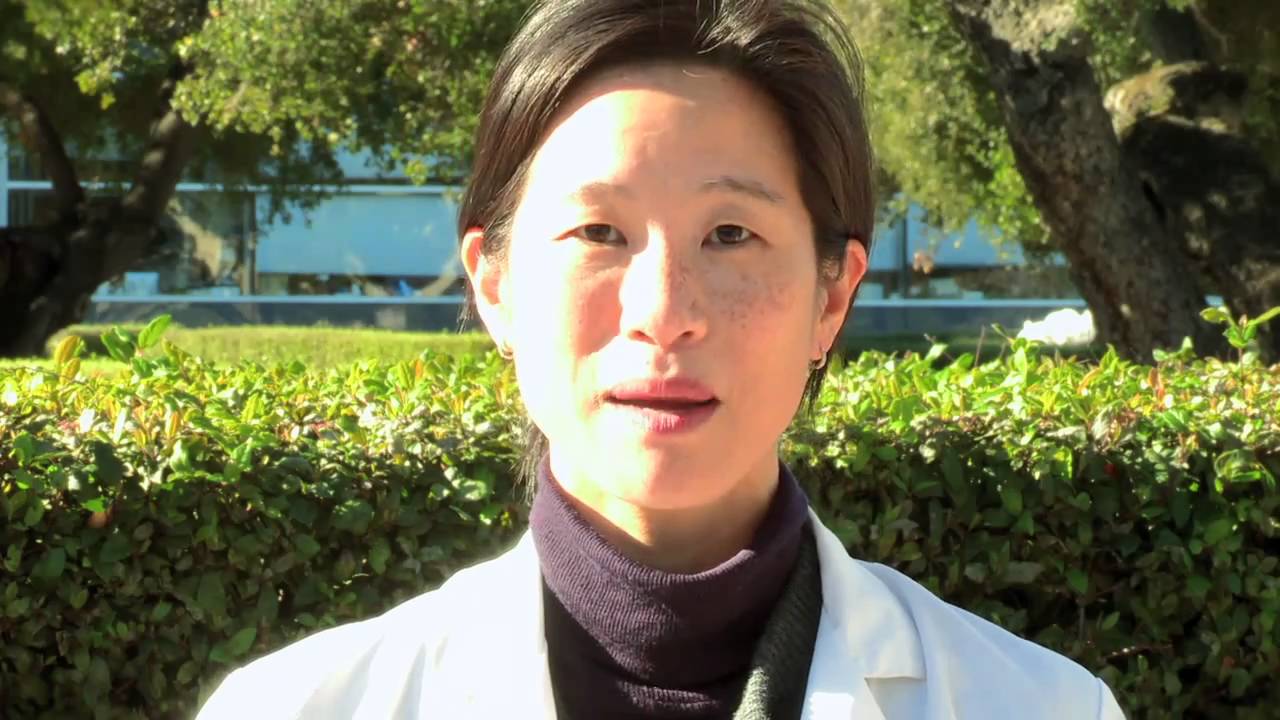
Your Women’s Heart Health Care Team
Our doctors, registered dietitians, and psychologists collaborate daily on the best ways to care for each patient. Doctors from multiple other specialties, like gynecology, diabetes, and heart surgery, work across disciplines to provide a personalized treatment plan for you.

Your Clinicians
Cardiologist
These doctors have advanced training in diagnosing and treating heart and blood vessel diseases. After a physical exam and specialized tests, such as an echocardiogram, they will determine your treatment plan and oversee your care.
View All {0} Cardiologists »Interventional Cardiologist
Interventional cardiologists are doctors that specialize in treating heart conditions through catheterization (inserting a thin tube into the blood vessels). Using this method to perform heart procedures is incredibly effective and it minimizes pain and scarring. Your interventional cardiologist will work with other providers to determine your tailored treatment method.
View All {0} Interventional Cardiologists »Internal Medicine Doctor
These doctors have many years of treating adults with diseases of the internal organs, including heart disease. Your internist will work closely with a cardiologist to oversee your care. They will also keep an eye on risk factors you may have that can lead to heart disease and advise you on how to prevent its development.
View All {0} Internal Medicine Doctors »Psychologist
Our psychologists are an integral component of our program. They specialize in behavioral health and the psychological effects of cardiovascular disease, so they can detect psychological and behavioral factors that can contribute to your condition. They also help patients cope with chest pain through mindfulness techniques and stress reduction exercises.
View All {0} Psychologists »Vascular Surgeon
Vascular surgeons specialize in treating vascular disease (disease of the blood vessels) through a variety of advanced surgical and nonsurgical options. They also have special training in treating peripheral vascular disease (a disease of the blood vessels outside of the heart and brain).
View All {0} Vascular Surgeons »Cardiac Electrophysiologist
We work with these doctors in conjunction with our Cardia Arrhythmia Clinic. They specialize in diagnosing and caring for disturbances of the heart’s electrical system. They evaluate arrhythmias (abnormal heart rhythms) to help determine the treatment most suited for you.
View All {0} Cardiac Electrophysiologists »Endocrinologist
If you have a heart condition and diabetes, your doctor will work closely with an endocrinologist (a doctor who treats conditions related to the hormones and glands) or a Certified Diabetes Educator® (a provider with special training to understand the unique needs of people with diabetes) at our Endocrinology Clinic.
View All {0} Endocrinologists »Obstetricians/Gynecologists
If you are pregnant or planning to become pregnant, your provider will work with the obstetricians at our Gynecology Clinic to manage the heart condition or risk factors. We will also monitor you for any conditions that can arise during pregnancy that can increase your future risk for heart disease.
Cardiothoracic Surgeons
We work closely with the cardiothoracic surgeons at our Heart Surgery Clinic. These experienced surgeons perform all surgeries that require the opening of the chest wall, including open heart surgery.
Nurse Practitioner
Nurse practitioners (NPs) are registered nurses (RNs) who have advanced education and clinical training. They can perform physical exams, diagnose and treat health problems, order lab work and X-rays, prescribe medicines, and provide health information.
View All {0} Nurse Practitioners »Stanford is an Academic Medical Center, which is a type of hospital setting where doctors teach medical students as they progress through medical school and training. Stanford Medicine is a partnership between Stanford University School of Medicine and Stanford Health Care. Since Stanford is a teaching hospital, you can expect to meet many providers and providers in training.
- Attending Physician: a doctor who supervises doctors in training or in medical school
- Fellow: a doctor doing postgraduate level work and specializing in care of patients with heart disease
- Resident: a doctor who has graduated from medical school and is in training (also called “residency”) here at Stanford. A resident is also called an intern

Extended Care Team
If you have a heart condition or have a high risk for developing one, you may need to modify your diet. Our food and nutrition experts will work with you to make healthy changes to your eating habits in a sustainable way.
Certain heart conditions, such as spontaneous coronary artery dissection or arrhythmia, may have a genetic component. Our counselors from the Center for Inherited Cardiovascular Disease can guide you through decision-making about genetic testing. They also provide support and counseling to help you cope with the risk of a heart condition.
We work closely with a cardiac rehab center in Palo Alto. Their exercise physiologists will help you learn to exercise in heart healthy ways to reduce your risk for developing a heart condition. They will also help you get back into an exercise routine after surgery or treatment.
Nurse coordinators guide you through the entire process and handle all nonsurgical components of your care. They schedule surgery and appointments, handle disability and insurance paperwork, and collaborate with the finance office and social workers, if needed.
Care coordinators provide you with information and assistance prior to and during your appointment.
- Medical Assistant - Medical assistants work with our team to help provide care. They may prepare you for an examination, assist your doctor, or take vitals before your appointment.
- Patient Care Coordinator - Our patient care coordinators help you with scheduling appointments and accessing your lab results. They will be your first line of contact before you see your provider and will guide you through your experience at the Women’s Heart Health Clinic.
- Patient Access Representative - Patient access representatives can answer any questions you have about insurance coverage, will assist you with applying for insurance, and can refer you to a Stanford financial counselor.
Doctors at the Women’s Heart Health Center are very involved in research efforts to advance the understanding of heart conditions that affect women and their treatment. Research coordinators help screen candidates for possible participation in clinical research trials.

Support Services
We offer a vast array of support services to help you to feel your best throughout your care, from diagnosis through treatment and recovery.
- Support groups for women with spontaneous coronary artery dissection (SCAD)
- Mindfulness classes and stress relief techniques led by a psychologist
- Heart Fit for Life Community Program
- Social workers
- Case Management
- Financial Counseling
- Guest Services
- Integrative Medicine (acupuncture, massage)
- Interpreter Services
- Spiritual Care
- Stanford Health Library
The Women’s Heart Health Clinic is located at the main Stanford hospital in Palo Alto. You can receive all diagnostic and treatment conveniently in one location.
Frequently Asked Questions
We participate in a wide range of insurance plans. View the list of insurance plans accepted by Stanford Health Care »
Have insurance or pre-authorization questions? The Patient Financial Clearance team is available Monday – Friday, 8 a.m. – 5 p.m., to answer your questions. Please call 650-724-4445 or 1-877-291-7335 (toll free).
When choosing a doctor, it’s important to consider the doctor’s clinical training, experience and expertise in a specialized area that matches your health care needs.
You can find the right Stanford doctor for you by using our doctor directory and filtering the results based on a medical category, specialty, or doctor’s last name. View our list of doctors »
Yes, Stanford Health Care offers financial assistance for patients who are uninsured or underinsured. Meet with one of our financial counselors to find the best approach to paying for your health care. Financial counselors are available Monday through Friday from 7:00 a.m. – 6:00 p.m. Learn more about financial assistance services »
We offer a number of support services, including support groups, interpreter services, nutrition services, a health library, and a variety of classes and events. Learn more about our support services »
Managing treatment for a heart condition is a highly personalized process. Your first appointment experience may vary slightly based upon the reason for your visit.
If you are coming for evaluation of a cardiac symptom, the first visit will include a focused cardiac history by a practitioner experienced in evaluating women with cardiovascular disease.
- We will review your new patient questionnaire, and your WHH intake form.
- This will be followed by a focused physical exam, and a review of any prior cardiac evaluation records.
- Afterwards a collaborative and personalized diagnostic and sometimes treatment plan will be put in place. This potentially could include further testing, medications, lifestyle changes, procedures, or referral to other subspecialties.
If you are coming for preventive care, you will be evaluated by an advanced care provider, or internist who specializes in cardiac risk assessment.
- Your provider may engage behavioral psychologists and dieticians to develop a personalized lifestyle intervention. Mobile health technologies may also be used to obtain more data and track your progress. Further testing may be requested.
- Your provider may recommend specific medications, or adjustments in current medications.
- Once in place, your care plan will be communicated to our team of providers for follow-up support
For your first appointment, you should plan to bring any related test results and your medical history to share with your doctor. Our clinic receptionists will confirm the information you should bring with you prior to your first appointment. In general, this include:
- Completed new patient questionnaire
- New patient lifestyle and risk factor questionnaire
- Medicine bottles
- List of questions for your provider
- Blood pressure log
- Consider bringing blood pressure machine if you own one, esp if being seen for high BP
- Consider preparing a health summary in chronological order
You will also need to have the following information with you when you check in:
- Insurance card
- A form of payment for any co-pays or deductibles
- One form of photo ID:
- Valid state-issued driver’s license
- Valid state-issued ID card
- Valid passport
- Valid U.S. Military ID card
- Valid U.S. Permanent Resident Card
To reschedule or cancel your appointment, please call our clinic receptionists at 650-497-7602 Monday through Friday, 8:00 a.m. to 5:00 p.m. For after hours. Please call 650-723-6459
Please print, fill out, and return the Medical Record Release Form to your new patient coordinator. The medical release form is an authorization form for external facilities to release medical records to Stanford Health Care.
Always feel free to bring someone with you to your appointments. A family member or friend can help ask questions, remember the information your care team gives you, and provide support.
Write down your questions before your appointment and rank them in order of importance, beginning with the most important ones. If there isn’t enough time to have all your questions answered during your appointment, ask your doctor who you can speak with to get your other questions answered.
You have multiple options when it comes to paying your bill.
- Pay Online:
- You can log in to MyHealth or the MyHealth mobile app to see and pay your bill.
Already have an account but need help logging in?
Contact the MyHealth Help Desk
- You can also pay as a guest to pay your bill without logging in.
- Pay by mail:
- Stanford Health Care
P.O. Box 740715, Los Angeles, CA 90074-0715
Los Angeles, CA 90074-0715
- Stanford Health Care
- Pay by Phone:
- You can call our Patient Billing Customer Service Office
1-800-549-3720.
- You can call our Patient Billing Customer Service Office
For our latest business hours and for more information about billing, visit our Billing page.
We offer a number of support services, including support groups, interpreter services, nutrition services, a health library, and a variety of classes and events. Learn more about our support services »
To determine if a clinical trial is right for you, talk to your doctor. He or she can refer you to a research coordinator for more information on studies that may be right for your specific condition.
You can also find the guidelines for who can participate in a particular clinical trial online. However, it is best to work with your doctor to decide the right care approach for your needs.
Many of our programs are available to international patients.
Our International Medicine Services team can help you find the right doctor, estimate medical costs, book travel, and get you information about Stanford programs and services.
Please call +1 650-723-8561 or email IMS@stanfordhealthcare.org to get started.
For Referring Physicians
PHYSICIAN HELPLINE
Fax: 650-320-9443
Monday–Friday, 8 a.m.–5 p.m.
Stanford Health Care provides comprehensive services to refer and track patients, as well as the latest information and news for physicians and office staff. For help with all referral needs and questions, visit Referral Information.
You may also submit a web referral or complete a referral form and fax it to 650-320-9443 or email the Referral Center at ReferralCenter@stanfordhealthcare.org.
