
Structural Heart Program
Part of Cardiovascular Health

Leaders in Structural Heart Care
Our experts offer comprehensive diagnostics and leading-edge treatments for structural heart conditions. Our nationally recognized interventional cardiologists and heart surgeons work together with heart failure specialists and imaging experts to provide the most advanced and personalized care.
What We Offer You for Structural Heart Care
- Specialized expertise in treating adults with all forms of structural heart disease, many of whom need highly specialized care. Go to Conditions Treated
- Advanced treatment options, including transcatheter and other minimally invasive procedures to minimize risks and support rapid recovery. Go to Treatments
- Team-based approach that brings together interventional cardiologists, cardiac surgeons, heart failure specialists and imaging specialists to tailor the right treatment plan for you. Go to Your Care Team
- Clinical trials spanning the entire spectrum of structural heart diseases, offering eligible patients access to the latest, leading-edge therapies well before they are widely available. Go to Clinical Trials
- Comprehensive support services to help you and your family focus on your health and healing. Go to Support Services
- Easy access to care, with appointments available within a few days and specialists reachable by phone after hours. Go to Accessing Care


Structural heart diseases are conditions that affect the heart’s anatomy—including the valves, chambers, and walls. Our heart specialists have extensive training and experience using the latest diagnostic methods and treatments for structural heart disease.
In some people, parts of the heart do not develop properly before birth (congenital heart diseases). Other structural heart diseases occur later in life due to an illness, infection, aging, or another heart condition.
Problems in the heart’s structures affect blood flow through the heart and to the body. Structural heart diseases can lead to life-threatening complications such as blood clots, heart failure, arrhythmia, or sudden cardiac arrest.
Stanford was the first medical center in Northern California to offer minimally invasive transcatheter aortic valve replacement (TAVR).
At Stanford Health Care, we treat all types of structural heart disease, including:
Heart Valve Disease
Cardiomyopathy
Congenital Heart Diseases
Atrial Fibrillation
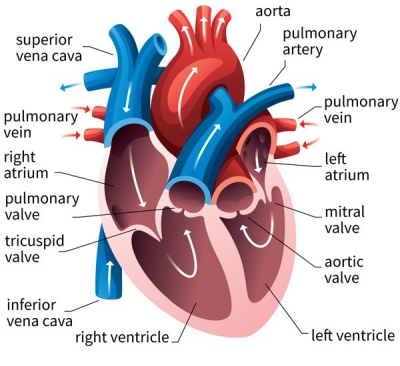
Heart valve disease
Heart valve disease can affect any valve, but aortic and mitral valves develop problems more often than pulmonary or tricuspid valves. Some of the heart valve diseases we treat include:
- Aortic valve stenosis
- Aortic valve regurgitation
- Mitral valve stenosis
- Mitral valve regurgitation
- Tricuspid valve stenosis
- Tricuspid valve regurgitation
- Pulmonary valve stenosis
- Pulmonary valve regurgitation
Cardiomyopathy
Cardiomyopathy is a group of conditions that enlarge or weaken the heart muscle. Hypertrophic cardiomyopathy (HCM) occurs when heart muscle becomes abnormally thick and usually affects the main pumping chamber (left ventricle).
Congenital heart diseases
Some people are born with congenital heart diseases, when heart structures do not develop properly before birth. Serious congenital conditions require treatment in infancy or childhood, but others don’t cause symptoms until later in life. Some of the congenital heart diseases that we treat in adults include:
- Anomalous coronary artery (ACA)
- Atrial and ventricular septal defects (ASD and VSD)
- Bicuspid aortic valve
- Ebstein’s anomaly
- Eisenmenger syndrome
- Patent foramen ovale
- Single ventricle
Atrial fibrillation
Atrial fibrillation (AFib) is a type of abnormal heart rhythm (arrhythmia) that causes a fast, irregular heartbeat. AFib increases your risk of developing blood clots in the heart, which can lead to a stroke if clots travel to the brain. Blood thinners can reduce the risk of strokes but can increase the risk of bleeding.
Heart valve disease
Heart valve disease can affect any valve, but aortic and mitral valves develop problems more often than pulmonary or tricuspid valves. Some of the heart valve diseases we treat include:
- Aortic valve stenosis
- Aortic valve regurgitation
- Mitral valve stenosis
- Mitral valve regurgitation
- Tricuspid valve stenosis
- Tricuspid valve regurgitation
- Pulmonary valve stenosis
- Pulmonary valve regurgitation
close Heart Valve Disease
Cardiomyopathy
Cardiomyopathy is a group of conditions that enlarge or weaken the heart muscle. Hypertrophic cardiomyopathy (HCM) occurs when heart muscle becomes abnormally thick and usually affects the main pumping chamber (left ventricle).
close Cardiomyopathy
Congenital heart diseases
Some people are born with congenital heart diseases, when heart structures do not develop properly before birth. Serious congenital conditions require treatment in infancy or childhood, but others don’t cause symptoms until later in life. Some of the congenital heart diseases that we treat in adults include:
- Anomalous coronary artery (ACA)
- Atrial and ventricular septal defects (ASD and VSD)
- Bicuspid aortic valve
- Ebstein’s anomaly
- Eisenmenger syndrome
- Patent foramen ovale
- Single ventricle
close Congenital Heart Diseases
Atrial fibrillation
Atrial fibrillation (AFib) is a type of abnormal heart rhythm (arrhythmia) that causes a fast, irregular heartbeat. AFib increases your risk of developing blood clots in the heart, which can lead to a stroke if clots travel to the brain. Blood thinners can reduce the risk of strokes but can increase the risk of bleeding.
close Atrial Fibrillation
Stanford Health Care offers exceptional care for people with the entire spectrum of structural heart diseases. Our interventional cardiologists and other specialists have expertise in the most advanced diagnostic procedures and treatments. Stanford Medicine provides access to all available clinical trials for structural heart diseases.
Stanford Health Care offers options for every structural heart condition through treatments or clinical trials.
INNOVATION HIGHLIGHTS
Stanford Medicine has pioneered many innovative techniques and technologies in structural heart disease treatment. Our accomplishments include:
- TAVR: We started the first transcatheter aortic valve replacement (TAVR) program in Northern California.
- TTVR: We performed the first transcatheter tricuspid valve replacement in Bay Area.
- Watchman™: An early adopter to use this device for left atrial appendage closure.
- MitraClip™: We have years of successful experience using this device in a minimally invasive procedure to repair mitral valves.


HEART DISEASE IS PREVENTABLE.
ADVANCED DIAGNOSTICS
Our highly skilled cardiac imaging specialists are internationally recognized for their expertise in the latest imaging technologies. They work closely with other structural heart experts, using these tools to confirm diagnoses, plan treatment, and guide procedures:
- Electrocardiogram (EKG or ECG)
- Chest X-ray
- Ultrasound
- Echocardiogram, including intracardiac, transesophageal, and transthoracic procedures
ALL TREATMENTS
Our experienced team of heart specialists helps people with the most complex conditions, including those who have been turned down elsewhere. We provide comprehensive treatment options for structural heart disease, including minimally invasive procedures and open-heart surgery.
Transcatheter (minimally invasive) heart valve repair or replacement
- Balloon aortic valvuloplasty
- Balloon mitral valvuloplasty
- Paravalvular leak repairs
- Transcatheter aortic valve replacement (TAVR)
- Transcatheter mitral valve repair (TMVR) with the MitraClip™
- Transcatheter tricuspid valve repair and replacement
Open-heart surgery to repair or replace heart valves
- Aortic valve surgery
- Mitral valve repair surgery
- Pulmonary valve surgery
- Tricuspid valve surgery
Hypertrophic cardiomyopathy treatment
- Alcohol septal ablation via catheterization
Transcatheter (minimally invasive) repair of adult congenital heart diseases
- Patent foramen ovale (PFO) closure
- Atrial septal defect (ASD) closure
- Ventricular septal defect (VSD) closure
- Other treatments through the Adult Congenital Heart Program
Reduction of atrial fibrillation
- AFib with high bleeding risk
- Left atrial appendage closure
Follow-up care
- Cardiac rehabilitation
- Close coordination with referring physicians
Stanford is committed to advancing research while developing innovative treatments.
Clinical trials are research studies that evaluate a new medical approach, device, drug, or other treatment. As a Stanford Health Care patient, you may be eligible to participate in open clinical trials to evaluate new breakthroughs.
Open trials refer to studies currently recruiting participants or that may recruit participants in the near future. Closed trials are not currently enrolling, but similar studies may open in the future.
Treatment Spotlight
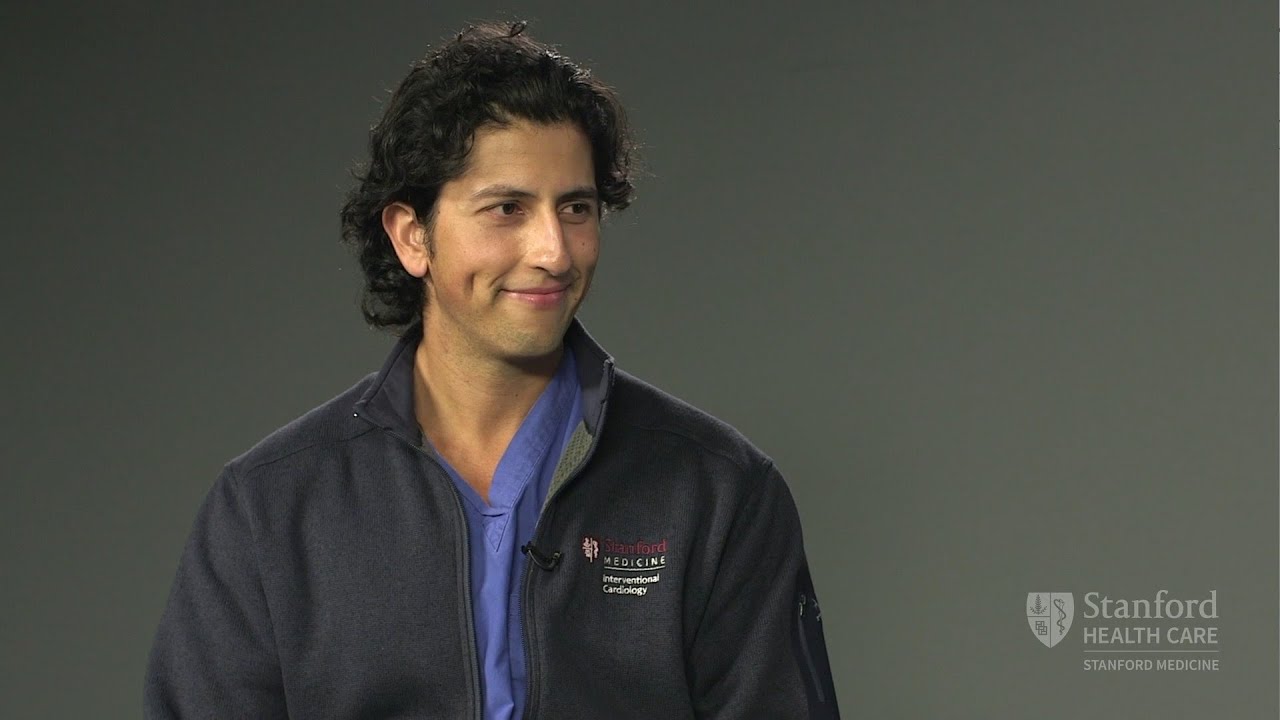
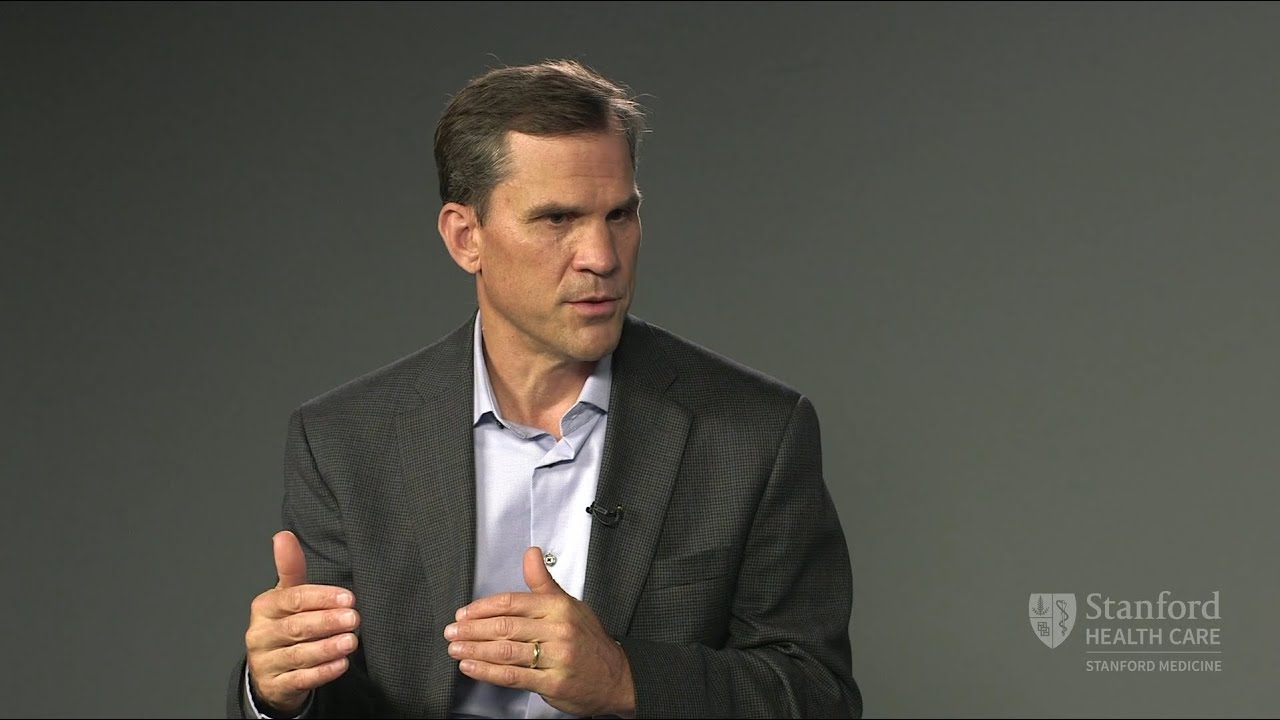
Your Structural Heart Care Team
Our structural heart team has years of collective experience developed through treating hundreds of people each year. With our multidisciplinary approach, you receive personalized treatment from doctors, surgeons, nurses, and other providers with expertise in several fields of medicine. We work closely with your referring physician during your treatment at Stanford and transition your care back to them afterward.
Meet the Director of Structural Interventions at Stanford Health Care
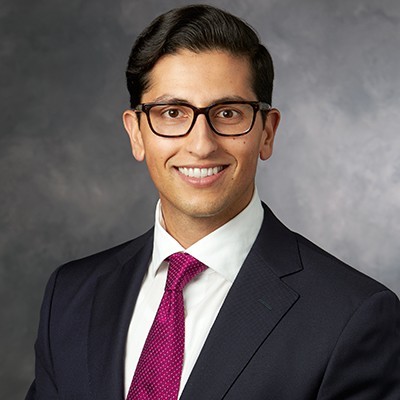
Rahul P Sharma, MBBS, FRACP
Dr. Rahul P. Sharma, MBBS, FRACP is the Director of Structural Interventions at Stanford Health Care and Clinical Assistant Professor of Medicine at Stanford University. Dr. Sharma graduated from Monash University and completed his medicine and cardiology training at the Alfred Hospital in Melbourne, Australia.

Your Doctors
Interventional Cardiologists
Interventional cardiologists are doctors who specialize in treating heart conditions through catheterization (inserting a thin tube into the blood vessels). Using this method to perform heart procedures is highly effective and minimizes pain and scarring. Your interventional cardiologist works with other providers to create your tailored treatment plan.
View All {0} Interventional Cardiologists »Cardiac Surgeons
Cardiac surgeons have expertise in performing surgeries that require opening the chest wall, including open heart surgery. They treat and repair structural heart problems such as valve disease and septal defects.
View All {0} Cardiac Surgeons »Cardiologists
These doctors have advanced training in diagnosing and treating heart diseases, including heart failure. After a physical exam and specialized tests, such as an echocardiogram, they will determine your treatment plan and oversee your care.
View All {0} Cardiologists »Heart Imaging Specialists
These cardiologists have advanced training in specialized imaging to diagnose and treat people with structural heart diseases.
View All {0} Radiologists »Stanford is an Academic Medical Center, which is a type of hospital setting where doctors teach the entire spectrum of medical education. Students range from beginning medical students to fully licensed and practicing doctors completing advanced sub-specialty training. Stanford Medicine is a partnership between Stanford University School of Medicine and Stanford Health Care. Since Stanford is a teaching hospital, you can expect to meet many providers and providers in training.
- Attending Physician: a doctor who supervises doctors in training or in medical school
- Fellow: a doctor doing postgraduate level work and specializing in care of patients with specific conditions
- Resident: a doctor who has graduated from medical school and is in training (also called “residency”) here at Stanford. A resident is also called an intern
- Medical Student: a student who is currently enrolled in medical school with the goal of becoming a doctor

Extended Care Team
Valve Clinic Coordinators
Valve clinic coordinators are your first point of contact and guide you through the entire treatment process. They help you schedule appointments, handle insurance paperwork, and connect with the finance office and social workers, if needed.
Nurse Practitioners
Our skilled nurse practitioners specialize in diagnosing and treating people with structural heart disease. They see patients independently and sometimes alongside a cardiologist. NPs can give you a thorough exam, write prescriptions, and help manage your ongoing care.
Research Coordinators
Doctors at the Structural Heart Program conduct research to find new, improved ways to diagnose and treat structural heart diseases. Research coordinators help screen candidates for possible participation in clinical research trials.
Genetic Counselors
Certain structural heart diseases, such as hypertrophic cardiomyopathy, may have a genetic component. Our counselors from the Center for Inherited Cardiovascular Disease can guide you through decision-making about genetic testing. They also provide support and counseling to help you cope with the risk of a heart condition.
Registered Dietitians
If you have a heart condition or a high risk for developing one, you may need to modify your diet. Our food and nutrition experts work with you to make healthy changes to your eating habits in a sustainable way.
Exercise Physiologists
We work closely with a cardiac rehab center in Palo Alto. Your exercise physiologists show you how to exercise in heart-healthy ways to reduce your risk of developing a heart condition. They also help you safely restart an exercise routine after surgery or treatment.
Care Coordinators
Care coordinators provide information and assistance before and during your appointment.
- Medical Assistants: Medical assistants may prepare you for an exam, help your doctor, or take vitals before your appointment.
- Patient Access Representatives: Patient access representatives can answer questions about insurance coverage, help you apply for insurance, and refer you to a Stanford financial counselor.

Support Services
We offer a vast array of support services to support your well-being throughout your care, from diagnosis through treatment and recovery.
INTERESTED IN AN ONLINE SECOND OPINION?
The Stanford Medicine Online Second Opinion program offers you easy access to our world-class doctors. It’s all done remotely and you don’t have to visit our hospital or one of our clinics for this service. You don’t even need to leave home!
Visit our online second opinion page to learn more.
Our structural heart disease team sees you in our center on Stanford’s main campus. You can access all your care—from diagnostic evaluation to treatment to follow-up visits—in one place.
For Referring Physicians
PHYSICIAN HELPLINE
Fax: 650-320-9443
Monday–Friday, 8 a.m.–5 p.m.
Stanford Health Care provides comprehensive services to refer and track patients, as well as the latest information and news for physicians and office staff. For help with all referral needs and questions, visit Referral Information.
You may also submit a web referral or complete a referral form and fax it to 650-320-9443 or email the Referral Center at ReferralCenter@stanfordhealthcare.org.
To request an appointment with a structural heart specialist, call 650-725-2687.