
Cardiac Arrhythmia Service
Part of Cardiovascular Health

Experts in Arrhythmia Treatment
At Stanford Health Care, our electrophysiologists have an international reputation for treating people with atrial fibrillation and other arrhythmias, and they have invented many of today’s leading procedures.
Our team specializes in ablation, surgical therapies, device management, and treatment of inherited conditions.
WHAT WE OFFER FOR ARRHYTHMIA CARE
- Specialized expertise in treating supraventricular arrhythmias, inherited arrhythmias, bradycardia, cardiomyopathy, and more. Go to Conditions Treated
- Advanced treatments for ablation and surgical therapies, including access to clinical trials. Go to Treatments
- Team-based approach to care that brings together doctors from multiple specialties. Go to Your Care Team
- Comprehensive support services including nutrition and genetic counseling. Go to Support Services
- Easy access to care with a single location for all services. Go to Accessing Care
COMMON CONDITIONS TREATED
To learn more about our care for the following conditions, please visit:
- Atrial fibrillation (AFib) »
- Atrial flutter »
- Ventricular arrhythmias »
- Brugada syndrome »
- Long QT syndrome »
- Bradycardias (slow heart rhythms) »
- Cardiomyopathy »
To see all conditions, Go to Conditions Treated
To request an appointment with one of our arrhythmia specialists, call: 650-723-7111.


At Stanford Cardiac Arrhythmia Service, our goal is to move research discoveries into new diagnostic and treatment options and to bring these leading therapies to you.
Our highly skilled doctors participate in research and clinical trials to advance treatment for all types of arrhythmias. They are national leaders in developing new guidelines for treatments and have published textbooks and papers that educate other care providers.
INNOVATION HIGHLIGHTS
- Stanford is one of the first U.S. hospitals to offer FIRM ablation, a new technology for mapping and treating atrial fibrillation that precisely identifies key sites for ablation. This novel treatment was invented by a Stanford doctor.
- The Cardiac Arrhythmia service medical director is a co-inventor of cryoballoon ablation, a cardiac catheterization procedure that uses extreme cold to treat the heart tissue that triggers arrhythmia. Cryoablation has been used to treat more than 250,000 patients with atrial fibrillation worldwide.
- Our team is among the first in the nation to develop hybrid surgical-catheter ablation, combining minimally invasive surgery with a catheter-based procedure to treat complex atrial fibrillation.

HEART DISEASE IS PREVENTABLE.
Treatments by Condition
We offer seamless care for all arrhythmias, no matter how complex or rare, including specialized care for athletes and people with inherited conditions. Learn more about our treatments for these conditions:
Supraventricular arrhythmias
- Atrial fibrillation (AFib)
- Atrial flutter
- Atrial tachycardia
- Atrioventricular nodal reentrant tachycardia (AVNRT)
- Atrioventricular reentrant tachycardia
- Paroxysmal supraventricular tachycardia (PSVT)
- Supraventricular tachycardia (SVT)
- Wolff-Parkinson-White syndrome
- Ventricular fibrillation (VFib)
- Ventricular tachycardia (VT)
- Torsades de pointes
- Premature ventricular beats (PVCs)
Inherited arrhythmias
- Brugada syndrome
- Catecholaminergic polymorphic ventricular tachycardia (CPVT)
- Long QT syndrome
Bradycardias
- Heart block
- Sick sinus syndrome
- Amyloid cardiomyopathy
- Arrhythmogenic right ventricular dysplasia/cardiomyopathy (ARVD/C)
- Familial dilated cardiomyopathy
- Heart failure
- Heart valve disease
- Hypertrophic cardiomyopathy
- Ischemic cardiomyopathy
- Marfan syndrome
- Nonischemic cardiomyopathy
- Sarcoidosis
Cardiac arrest
All Treatments
Our arrhythmia team is internationally known as thought leaders in all aspects of arrhythmia treatment. Our specialized expertise includes:
Catheter ablation
This therapy helps regulate heart rate and rhythm by disrupting abnormal electrical pathways through the heart. We offer these types of ablation:
- Ablation by energy sources
- Ablation with mapping technology: FIRM ablation
- Epicardial ablation
Surgery for arrhythmia
Depending on the type of arrhythmia you have, open-heart surgery may be your best option. Our expert surgeons perform these surgical procedures for arrhythmias:
- Hybrid surgical-catheter ablation
- Atrial fibrillation surgery (MAZE)
Genetic counseling
Our genetic counselors in the Center for Inherited Cardiovascular Disease can assess your risk for an inherited arrhythmia and work closely with you to develop a care plan for you and your family.
Medical management for arrhythmia
If you have an arrhythmia but your symptoms are not severe, we may be able to treat you with medications. Depending on your symptoms and other health factors, you may need medications to control your heart rate, your heart rhythm, or both, such as:
- Anti-arrhythmic agents
- Medications for rate control
Devices that treat arrhythmia
For serious arrhythmias, you may need a device to control your heart rate and rhythm. We implant these devices in your chest using minimally invasive procedures:
- Implantable cardioverter-defibrillator (ICD)
- Pacemaker
- Cardiac resynchronization therapy (CRT)
- Lead and device extraction

New Option for Hard-to-Treat Arrhythmias
Clinical Trials
Our arrhythmia team is instrumental in national clinical trials that study the latest developments in arrhythmia diagnosis and treatment. Our research interests include pacemakers that can slow the progression of heart failure and ablation procedures for advanced atrial fibrillation. Learn more about clinical trials for arrhythmia.
Open trials refer to studies currently recruiting participants or that may recruit participants in the near future. Closed trials are not currently enrolling, but similar studies may open in the future.
To learn more about the clinical trials we offer, contact Gerri O'Riordan at 650-725-5597.
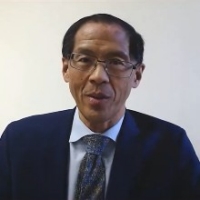
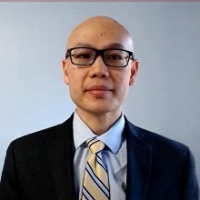
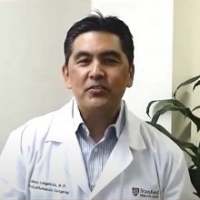
Your Arrhythmia Care Team
Our arrhythmia team brings together expertise from several heart specialties to diagnose and treat electrical activities of the heart that cause arrhythmia. Our close collaboration with cardiologists and cardiac surgeons means that you receive comprehensive care for any heart condition.

Your Doctors
Cardiac Electrophysiologist
Cardiac electrophysiologists specialize in diagnosing and treating disturbances of the heart’s electrical system. They evaluate arrhythmias (abnormal heart rhythms) to help determine the right treatment for you. They will be the first doctor you see, and they will oversee all aspects of your care, from diagnosis to treatment to follow-up care.
View All {0} Cardiac Electrophysiologists »Cardiothoracic Surgeon
Cardiothoracic surgeons with expertise in treating arrhythmias work closely with our team of cardiac electrophysiologists to help devise the best care path for you. The two specialists also partner on newer, minimally invasive techniques, including lead extractions and hybrid surgical-catheter ablation.
View All {0} Cardiothoracic Surgeons »Nurse Practitioner
Nurse practitioners (NPs) are registered nurses (RNs) who have advanced education and clinical training. They can perform physical exams, diagnose and treat health problems, order lab work and X-rays, prescribe medicines, and provide health information.
View All {0} Nurse Practitioners »
Extended Care Team
Many members of your team have undergone additional training and education to deliver some of the same care as doctors. They work closely with your surgeon or electrophysiologist.
ADVANCED PRACTICE PROVIDERS


Nursing professionals manage all your care, including appointment coordination, sharing your test results, and providing treatment. They also provide support and education so you and your family fully understand your care plan.
NURSES


Afib Prevention Program
The Afib Prevention Program evaluates patients for common risk factors, such as obesity, sleep apnea, hypertension, and diabetes, and works to identify approaches to treat each person's atrial fibrillation.
Device Clinic
If you need a pacemaker or another implantable device, our device coordinators will help you navigate the process before, during, and after the procedure. They provide education about your device, the implantation procedure, and ongoing home care.
Our device nurses assist you with implanted devices such as pacemaker and ICDs. They help with device education and routine monitoring and checks to ensure proper device function.
DEVICE NURSES


If you are concerned about your risk for an inherited arrhythmia, genetic counselors in the Stanford Center for Inherited Cardiovascular Disease can guide you through decision-making about genetic testing, family planning, and medical management. They also provide support and counseling to help you cope with having or being at risk for an inherited heart condition.

Genetic Counseling for Cardiac Arrhythmia
Psychologists
Our psychologists are behavioral medicine experts who specialize in cardiovascular medicine. They provide behavioral therapy and other services to help people living with a chronic heart condition or a heart device, such as a pacemaker or ICD.
Research Coordinators
Research nurse coordinators screen candidates who are eligible and willing to participate in our clinical research studies. They educate you about the process you will experience during the study and answer your questions.

Support Services
At Stanford, we take care of the details so that you can focus on your health and wellness. Our electrophysiologists, cardiologists, and surgeons work as a team with device nurses, advanced practice providers, dieticians and imaging technologists to coordinate every aspect of your care. We also offer a wide range of support services to promote healing and improve your quality of life.
- Atrial Fibrillation Risk Factor Modification Program
- Nutrition Services
- Psychologists with expertise in chronic heart conditions
- Spiritual Care
- Stanford Health Library

Wellness Support for Arrhythmia
 Our electrophysiologists, cardiologists, surgeons, and their teams provides their services in our center on Stanford’s main campus. You can access all of your care—from diagnostic evaluation to treatment to follow-up care—in one place.


The Stanford Cardiac Arrhythmia Service is not only dedicated to treating its patients with the finest treatment options available, but also to advancing those treatments. Clinical research studies may be sponsored by the National Institutes of Health, other governmental agencies, or industry.
We're actively developing new approaches to arrhythmia diagnosis and treatment, including:
- New device development
- New treatments and diagnostic techniques for Atrial Fibrillation
- New technologies for catheter ablation
- Integration of imaging in catheter ablation
- New treatments for arrhythmias in cardiomyopathies (hypertrophic, ischemic, nonischemic)
- New approaches to ICD and Pacemaker therapy
- Signal processing and mathematical techniques for diagnosis of arrhythmias
- New diagnostic approaches to patients with inherited arrhythmic disorders
We work with the Stanford Biodesign Program—an innovative collaboration between medicine and engineering—to develop new technologies in medicine.
Additional Research and Innovation Advancements
- A Stanford doctor co-invented a new form of ablation treatment called cryoablation (freezing), which has been used in over 200,000 patients worldwide, including patients with atrial fibrillation and supraventricular tachycardia.
- The Stanford Center for Arrhythmia Research has assembled more than 40 faculty who represent numerous disciplines and are collaborating to solve arrhythmia related problems.
- Stanford doctors have conducted clinical studies leading to approval of the radiofrequency energy ablation system measuring contact force to improve ablation outcomes. Learn more about radiofrequency ablation »
- Stanford doctors and surgeons were in the first FDA clinical trial to test hybrid surgical-catheter ablation, combining minimally invasive surgery with a catheter-based procedure to treat complex atrial fibrillation.
We participate in a wide range of insurance plans. View the list of insurance plans accepted by Stanford Health Care »
Have insurance or pre-authorization questions? The Patient Financial Clearance team is available Monday – Friday, 8 a.m. – 5 p.m., to answer your questions. Please call 650-724-4445 or 1-877-291-7335 (toll free).
When choosing a doctor, it’s important to consider the doctor’s clinical training, experience and expertise in a specialized area that matches your health care needs.
You can find the right Stanford doctor for you by using our doctor directory and filtering the results based on a medical category, specialty, or doctor’s last name. View a list of cardiac arrhythmia doctors »
We offer a number of support services for arrhythmia, including cardiovascular support groups, interpreter services, nutrition services, a Lifestyle Modification Program, integrative medicine, a health library, and a variety of classes and events. Learn more about our support services »
You can call Cardiac Arrhythmia Service directly to schedule an appointment with one of our doctors. Call 650-723-6459 to make an appointment.
Yes, Stanford Health Care offers financial assistance for patients who are uninsured or underinsured. Meet with one of our financial counselors to find the best approach to paying for your health care. Financial counselors are available Monday through Friday from 7:00 a.m. – 6:00 p.m. Learn more about financial assistance services »
Managing treatment for arrhythmia is a highly personalized process. Our clinic receptionists will confirm the information you should bring with you prior to your first appointment. For your first appointment, please bring the following test results and information:
- Electrocardiogram (ECG or EKG)
- Holter Report or ECG Monitor
- Echocardiogram (Ultrasound of the Heart)
- Heart MRI
- Heart CT
- Your medical history
- Report or results from a physical examination
You will also need to have the following information with you when you check in:
- Insurance card
- A form of payment for any co-pays or deductibles
- One form of photo ID:
- Valid state-issued driver’s license
- Valid state-issued ID card
- Valid passport
- Valid U.S. Military ID card
- Valid U.S. Permanent Resident Card
The Cardiac Arrhythmia Service is located at the following address. Self-parking options are available for a fee. For more information, please see Directions and Parking information for Cardiac Arrhythmia Service:
Please plan to arrive 20-30 minutes prior to your appointment time due to construction near the main hospital campus. This will allow you plenty of time to park, locate your clinic and complete any additional paperwork.
Please print, fill out, and return the Medical Record Release Form to your new patient coordinator. The medical release form is an authorization form for external facilities to release medical records to Stanford Health Care.
Always feel free to bring someone with you to your appointments. A family member or friend can help ask questions, remember the information your care team gives you, and provide support.
Write down your questions before your appointment and rank them in order of importance, beginning with the most important ones. If there isn’t enough time to have all your questions answered during your appointment, ask your doctor who you can speak with to get your other questions answered.
Current patients may reach one of our outstanding arrhythmia nurse specialists during clinic hours at 650-723-7111. For after-hours, reach the on-call arrhythmia doctor at 650-723-7111.
You have multiple options when it comes to paying your bill.
- Pay Online:
- You can log in to MyHealth or the MyHealth mobile app to see and pay your bill.
Already have an account but need help logging in?
Contact the MyHealth Help Desk
- You can also pay as a guest to pay your bill without logging in.
- Pay by mail:
- Stanford Health Care
P.O. Box 740715, Los Angeles, CA 90074-0715
Los Angeles, CA 90074-0715
- Stanford Health Care
- Pay by Phone:
- You can call our Patient Billing Customer Service Office
1-800-549-3720.
- You can call our Patient Billing Customer Service Office
For our latest business hours and for more information about billing, visit our Billing page.
We offer a number of support services for arrhythmia patients, including cardiovascular support groups, interpreter services, nutrition services, a Lifestyle Modification Program, integrative medicine, a health library, and a variety of classes and events. Learn more about our support services »
Please call our clinic receptionists at 650-723-6459. They are available Monday through Friday, 8:30 a.m. to 5 p.m. to help you reschedule or cancel your appointment.
To determine if a clinical trial is right for you, talk to your doctor. He or she can refer you to a research coordinator for more information on studies that may be right for your specific condition.
You can also find the guidelines for who can participate in a particular clinical trial online. However, it is best to work with your doctor to decide the right care approach for your needs.
Many of our programs are available to international patients.
Our International Medicine Services team can help you find the right doctor, estimate medical costs, book travel, and get you information about Stanford programs and services.
Please call +1 650-723-8561 or email IMS@stanfordhealthcare.org to get started.
For Referring Physicians
HOW TO REFER
We can help your patients connect with the right doctors and services. When you refer your patients to Stanford Health Care, we will keep you informed of your patients’ progress.
Fax a referral form with supporting documentation to 650-320-9443.
PHYSICIAN HELP LINE
Phone: 1-866-742-4811
Fax: 650-320-9443
Monday – Friday, 8:30 a.m – 5 p.m.
Stanford Health Care provides comprehensive services to refer and track patients, as well as provides the latest information and news for physicians and office staff. For help with all referral needs and questions, visit Referral Information.